Back Casting Room
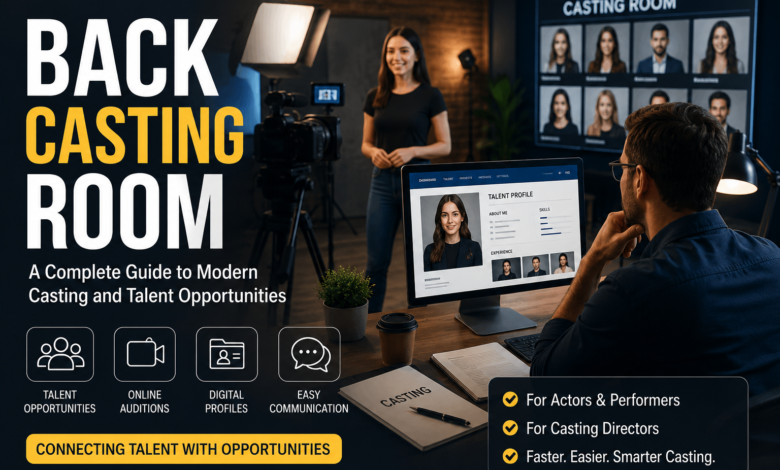
Back Casting Room: A Complete Guide to Modern Casting and Talent Opportunities

Introduction
The entertainment industry has changed dramatically over the last decade. Traditional casting methods that once relied on in-person auditions, paper portfolios, and agency referrals are increasingly being replaced by digital solutions. Among the terms gaining attention in this evolving landscape is “Back Casting Room.” While many people are unfamiliar with the concept, it represents an important part of how modern casting and talent discovery can function in a digital environment.
Whether you are an aspiring actor, a casting professional, a filmmaker, or simply someone interested in the entertainment business, understanding how casting platforms operate can provide valuable insight into today’s industry. This guide explores the concept of Back Casting Room, its purpose, advantages, challenges, and its growing role in connecting talent with opportunities.
Understanding Back Casting Room
Back Casting Room refers to a digital environment where casting-related activities can be organized, managed, and streamlined. The concept combines technology with talent recruitment, creating a space where casting directors, producers, and performers can interact more efficiently.
Traditionally, casting involved multiple stages that required significant time and resources. Actors often traveled long distances to attend auditions, while casting teams reviewed countless physical applications. Online casting platforms simplify many traditional challenges by enabling auditions, applications, and communication to be managed digitally from virtually anywhere.
A Back Casting Room can serve as a central hub for:
- Talent submissions
- Audition scheduling
- Profile management
- Video audition reviews
- Communication between casting teams and performers
- Project organization
The result is a more efficient workflow that benefits both industry professionals and aspiring talent.
Why Digital Casting Platforms Matter
The rise of online casting solutions reflects broader changes in the entertainment industry. Streaming services, independent productions, social media content creation, and international collaborations have significantly increased the demand for talent.
Modern productions often require access to performers from different regions and backgrounds. Digital casting platforms make this possible by removing geographical limitations.
For example, a production company based in one country can review audition submissions from performers located thousands of miles away. This expanded reach allows casting directors to discover talent they may never have encountered through traditional methods.
As a result, opportunities become more accessible for actors, models, voice artists, and other creative professionals.
Important Components of a Modern Back Casting Room
1. Digital Profiles
One of the most important features is the creation of professional digital profiles. These profiles typically include:
- Headshots
- Resume information
- Acting experience
- Special skills
- Demo reels
- Contact details
Having all relevant information stored in one location simplifies the selection process for casting teams.
2. Online Auditions
Self-tape auditions have become increasingly popular in recent years. Rather than attending an audition in person, performers can record and submit videos remotely.
This approach offers several benefits:
- Reduced travel expenses
- Greater scheduling flexibility
- Faster review process
- Increased accessibility
Casting professionals can review submissions at their convenience and compare candidates more effectively.
3. Communication Tools
Effective communication is essential during any casting project. A Back Casting Room may include messaging systems, notifications, and project updates that keep all participants informed.
This reduces confusion and helps ensure deadlines are met.
4. Talent Search Functions
Advanced search tools allow casting directors to filter candidates based on specific criteria such as:
- Age range
- Location
- Experience level
- Skills
- Languages spoken
- Physical characteristics
These filters save time and improve efficiency during the casting process.
Benefits for Actors and Performers
Digital casting systems offer numerous advantages for performers.
Increased Visibility
Actors no longer need to rely solely on local agencies or networking events. By creating a strong online profile, they can become visible to casting professionals worldwide.
More Opportunities
Digital platforms often host multiple projects simultaneously. This increases the number of available auditions and potential career opportunities.
Cost Savings
Travel expenses, accommodation costs, and printed materials can quickly become expensive. Online submissions help reduce many of these costs.
Portfolio Development
Performers can continually update their profiles with new work samples, skills, and achievements, making it easier to showcase professional growth.
Benefits for Casting Directors and Production Teams
The advantages extend beyond performers.
Faster Candidate Screening
Instead of manually reviewing large volumes of paperwork, casting teams can quickly evaluate digital profiles and video submissions.
Broader Talent Pool
Access to candidates from various regions increases the likelihood of finding the ideal performer for a role.
Improved Organization
Project management features help keep casting information organized, reducing administrative workload.
Enhanced Collaboration
Multiple team members can review submissions and provide feedback, making decision-making more efficient.
Real-World Example
Imagine an independent film producer searching for a bilingual actor capable of performing dramatic scenes. In a traditional setting, finding suitable candidates might require agency outreach, local auditions, and extensive scheduling.
Using a digital casting environment, the producer can:
- Create a casting notice.
- Specify language requirements.
- Receive submissions from multiple regions.
- Review self-tape auditions.
- Shortlist candidates.
- Conduct virtual interviews.
The entire process can often be completed more quickly and at a lower cost than traditional methods.
Challenges and Considerations
While digital casting systems offer many advantages, they are not without challenges.
Increased Competition
Because online platforms are accessible to many users, competition for roles can become more intense.
Profile Quality Matters
Poor-quality photos, incomplete profiles, or weak audition recordings may reduce a performer’s chances of success.
Technical Requirements
Reliable internet access, recording equipment, and basic editing skills are often necessary to participate effectively.
Verification Concerns
As with any online environment, users should verify opportunities carefully and remain cautious of fraudulent listings.
Best Practices for Success
For performers looking to maximize their opportunities, several strategies can help.
Keep Your Profile Updated
Regularly add new experience, training, and portfolio materials.
Use Professional Photos
High-quality headshots create a stronger first impression.
Submit Tailored Auditions
Customize submissions to match the requirements of each role whenever possible.
Follow Instructions Carefully
Many opportunities are missed simply because applicants fail to follow submission guidelines.
Continue Learning
Acting classes, workshops, and skill development can significantly improve long-term career prospects.
The Future of Digital Casting
Technology continues to reshape the entertainment industry. Artificial intelligence, advanced search algorithms, and video analysis tools are expected to play a greater role in casting workflows.
Virtual auditions are likely to remain common even as in-person casting returns for certain projects. Hybrid approaches that combine digital convenience with personal interaction may become the industry standard.
Additionally, increased globalization means casting professionals will continue seeking talent from diverse backgrounds and locations. Platforms that simplify these connections will likely become even more important in the years ahead.
Conclusion
Back Casting Room represents the growing intersection between technology and talent discovery. By providing a centralized digital environment for auditions, communication, and project management, it helps streamline many aspects of the casting process.
For performers, these platforms offer greater visibility, increased opportunities, and improved accessibility. For casting professionals, they provide efficiency, organization, and access to a wider talent pool.
As the entertainment industry continues to evolve, digital casting solutions will remain a valuable tool for connecting creative professionals with new opportunities. Understanding how these systems work can help actors, filmmakers, and production teams stay competitive in an increasingly digital world.