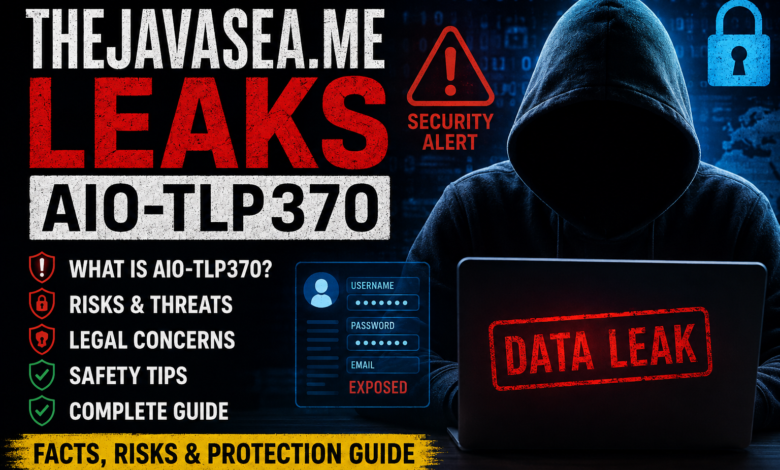
TheJavaSea.me Leaks AIO-TLP370: Complete Guide, Security Risks, and Everything You Need to Know
The internet is filled with discussions about thejavasea.me leaks aio-tlp370, making it one of the most searched cybersecurity-related keywords. Many users are curious about what this phrase means, whether it refers to a real data breach, and if it poses any security risks.
While numerous websites have published articles about this topic, much of the available information is based on assumptions rather than verified facts. Public discussions describe AIO-TLP370 as an alleged leak package associated with TheJavaSea.me, but there is limited independent evidence confirming its exact contents or authenticity.
This article explains everything you need to know about thejavasea.me leaks aio-tlp370, including its meaning, potential dangers, legal concerns, cybersecurity best practices, and frequently asked questions.
What is TheJavaSea.me Leaks AIO-TLP370?
The keyword thejavasea.me leaks aio-tlp370 generally refers to an alleged online leak package discussed across blogs, forums, and cybersecurity communities.
The phrase consists of three parts:
- TheJavaSea.me – A website name frequently associated with discussions about shared digital files.
- Leaks – Indicates unauthorized or publicly exposed digital information.
- AIO-TLP370 – A label believed to identify a particular “All-In-One” (AIO) package or archive. Public sources treat “TLP370” as an identifier rather than evidence of any official cybersecurity classification.
It is important to understand that the existence of this keyword does not automatically prove that a verified breach occurred.
Why Has TheJavaSea.me Leaks AIO-TLP370 Become Popular?
Several factors have contributed to the popularity of this keyword.
1. Increased Curiosity
People often search for leak-related topics after seeing them mentioned on social media, forums, or blogs.
2. Cybersecurity Discussions
Security professionals analyze alleged leaks to determine whether they represent genuine threats or simply recycled datasets.
3. Search Engine Trends
As more websites publish articles targeting this keyword, search interest naturally increases.
4. Fear of Data Exposure
Many users worry that their personal information could have been included in leaked databases.
What Does AIO Mean?
In cybersecurity terminology, AIO commonly stands for All-In-One.
Instead of referring to a single file, an AIO package usually describes a collection of multiple files combined into one archive.
Such packages may contain:
- Documents
- Images
- Software
- Databases
- Configuration files
- Source code
However, no publicly verified evidence confirms the exact contents of AIO-TLP370.
Is TheJavaSea.me Leaks AIO-TLP370 a Confirmed Data Breach?
This is one of the biggest misconceptions.
At the time of writing, there is no widely accepted independent confirmation verifying:
- The complete contents
- The total number of affected users
- The original source
- Whether all files are authentic
Many cybersecurity experts recommend separating verified facts from internet speculation before drawing conclusions.
Potential Risks Associated with Leak Packages
Even when a leak package exists, downloading or interacting with it can expose users to serious risks.
Malware
Cybercriminals frequently disguise malware as leaked archives.
Possible malware includes:
- Trojans
- Ransomware
- Spyware
- Information stealers
Credential Theft
Some malicious files attempt to steal:
- Saved passwords
- Browser cookies
- Banking information
- Cryptocurrency wallets
Identity Theft
If personal information is genuinely exposed, attackers may use it for:
- Fraud
- Phishing
- Fake account creation
Financial Loss
Compromised credentials can lead to:
- Unauthorized purchases
- Banking fraud
- Account takeovers
Common Types of Information Found in Leak Packages
Although AIO-TLP370 has not been independently verified, alleged leak archives often contain:
Email Addresses
Used for phishing campaigns.
Usernames
May be paired with passwords.
Password Hashes
Even hashed passwords can become dangerous if cracked.
Phone Numbers
Useful for social engineering attacks.
API Keys
Can expose cloud infrastructure.
Internal Documents
Sometimes include confidential business information.
Why Downloading Leak Files Is Dangerous
Many people believe downloading a leak is harmless.
This assumption is incorrect.
Unknown downloads may include:
- Hidden malware
- Remote access tools
- Fake installers
- Keyloggers
Even opening compressed archives from untrusted sources may expose your computer to unnecessary risk.
Legal and Ethical Considerations
Accessing or distributing unauthorized leaked material may violate laws depending on your country.
Legal issues may include:
- Copyright infringement
- Unauthorized possession of stolen data
- Privacy violations
Ethically, sharing leaked personal information can harm individuals whose data may have been exposed.
How to Protect Yourself
If you are concerned about online data leaks, follow these best practices:
Use Strong Passwords
Create unique passwords for every account.
Enable Multi-Factor Authentication
MFA provides an additional security layer.
Monitor Your Accounts
Watch for unusual login attempts.
Update Software
Security patches reduce vulnerabilities.
Avoid Unknown Downloads
Never download files simply because they are labeled as leaks.
Stay Informed
Follow trusted cybersecurity news instead of relying on rumors.
Signs That a Leak May Not Be Genuine
Some leak claims are exaggerated.
Warning signs include:
- No credible evidence
- No official confirmation
- Sensational headlines
- Requests to disable antivirus software
- Password-protected archives from unknown sources
What Should Businesses Do?
Organizations should:
- Conduct regular security audits
- Rotate exposed credentials
- Monitor suspicious activity
- Train employees about phishing
- Maintain secure backups
- Respond quickly to reported incidents
Preparation is often more effective than reacting after a breach.
Why Verification Matters
Cybersecurity investigations require evidence.
Professionals evaluate:
- Source credibility
- File authenticity
- Data origin
- Duplication
- Independent confirmation
Without these checks, claims should be treated cautiously.
Final Thoughts
The keyword thejavasea.me leaks aio-tlp370 has attracted significant online attention, but much of the available discussion remains based on unverified claims. Current public reporting suggests it is commonly described as an alleged leak package, yet reliable independent evidence confirming its exact contents is limited.
Rather than focusing on curiosity or attempting to access alleged leaked material, users should prioritize strong cybersecurity practices. Using unique passwords, enabling multi-factor authentication, avoiding suspicious downloads, and staying informed through trusted sources are far more effective ways to protect your digital life.
Ultimately, the most important lesson is that good security habits are valuable regardless of whether a particular leak proves to be genuine.
Frequently Asked Questions (FAQs)
1. What is TheJavaSea.me Leaks AIO-TLP370?
It is a keyword commonly associated with an alleged online leak package discussed in cybersecurity communities. Many details remain unverified.
2. Is TheJavaSea.me Leaks AIO-TLP370 a confirmed data breach?
No. Public discussions exist, but there is limited independent verification confirming the package’s contents or scope.
3. What does AIO stand for?
AIO generally means All-In-One, indicating a bundled collection of files or resources.
4. Is it safe to download alleged leak archives?
No. Downloading files from unknown or untrusted sources can expose your device to malware and other cybersecurity threats.
5. Can leak packages contain malware?
Yes. Cybercriminals often disguise malware as leaked files or software bundles.
6. How can I protect my online accounts?
Use strong unique passwords, enable multi-factor authentication, keep software updated, and monitor your accounts for suspicious activity.
7. Should businesses worry about alleged leaks?
Businesses should always maintain strong security practices, review exposed credentials, and investigate credible reports of data exposure.
8. Why do some leak stories become popular?
Because they generate curiosity, spread rapidly through social media and forums, and are often amplified before independent verification is available.
9. Can old leaked data still be dangerous?
Yes. Reused passwords and outdated credentials can still be exploited if users have not changed them.
10. What is the safest response to leak-related news?
Avoid downloading alleged leak files, verify information through trusted cybersecurity sources, and strengthen your account security proactively.