coldest temp recorded in latvia from 2010-2025
Coldest Temperature Recorded in Latvia (2010–2025): Weather Trends and Climate Insights

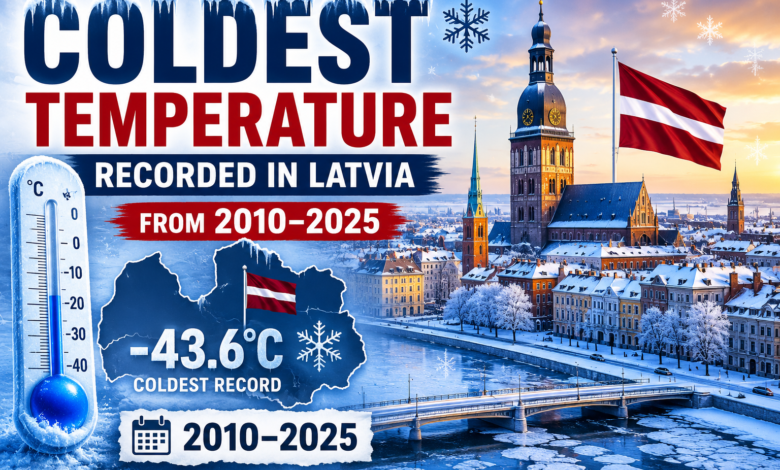
Coldest Temperature Recorded in Latvia (2010–2025): Weather Trends and Climate Insights
Latvia is one of the northern European countries known for its distinct seasons and cold winters. Located along the eastern coast of the Baltic Sea, the country experiences a humid continental climate that can bring significant temperature variations throughout the year. While summers are generally mild and pleasant, winters can be long, snowy, and extremely cold.
Between 2010 and 2025, Latvia experienced several periods of intense cold weather that attracted attention from meteorologists, residents, and businesses alike. Understanding these temperature extremes provides valuable insight into the country’s climate patterns and the challenges associated with severe winter conditions.
Understanding Latvia’s Climate
Latvia’s climate is influenced by its geographical position in Northern Europe. The Baltic Sea helps moderate temperatures in some coastal areas, while inland regions often experience colder winter conditions.
Winter in Latvia typically begins in December and lasts until March. During this period, temperatures frequently fall below freezing, and snowfall is common. However, certain weather events can push temperatures far below seasonal averages, creating record-breaking cold conditions.
The combination of Arctic air masses, snow cover, and clear skies often contributes to extreme cold spells that can affect large portions of the country.
Cold Weather Events Between 2010 and 2025
The years between 2010 and 2025 included several notable winter seasons. During some winters, Latvia experienced unusually cold conditions due to the arrival of Arctic air from northern regions.
The winter of 2010–2011 was particularly memorable across much of Europe. Many areas in Latvia experienced prolonged periods of freezing temperatures, heavy snowfall, and icy conditions. Transportation systems faced disruptions, and energy demand increased significantly as households and businesses relied heavily on heating systems.
Additional cold spells occurred in subsequent years, particularly during periods when high-pressure systems allowed cold Arctic air to move southward into the Baltic region.
Although annual weather patterns varied, extreme winter temperatures remained an important feature of Latvia’s climate during the period.
Factors Behind Extreme Cold Temperatures
Several meteorological factors contribute to exceptionally cold temperatures in Latvia.
Arctic Air Intrusions
One of the primary causes of severe cold is the arrival of Arctic air masses. These systems transport extremely cold air from northern regions into the Baltic states, causing temperatures to drop rapidly.
Snow Cover
Snow acts as an insulating layer that reflects sunlight away from the surface. This reflection reduces daytime warming and allows temperatures to remain lower for extended periods.
Clear Skies
During winter, clear skies enable heat to escape from the Earth’s surface more efficiently. Overnight cooling can become particularly intense under these conditions.
High-Pressure Systems
Persistent high-pressure systems often create stable atmospheric conditions that trap cold air near the ground, resulting in prolonged cold periods.
Impact on Daily Life
Extreme cold temperatures affect many aspects of everyday life in Latvia.
Residents often face increased heating costs during harsh winters. Homes, offices, and public buildings require additional energy to maintain comfortable indoor temperatures.
Travel can also become more difficult. Snow accumulation, icy roads, and reduced visibility may lead to transportation delays and safety concerns. Public transportation systems sometimes need additional resources to operate efficiently during severe weather conditions.
Schools and outdoor activities may also be affected when temperatures reach particularly low levels.
Effects on Businesses and Industry
For businesses, extreme winter temperatures create both challenges and opportunities.
Increased Energy Demand
Companies often experience higher operating costs due to increased heating requirements. Manufacturing facilities, warehouses, and office buildings must maintain safe working environments despite outdoor conditions.
Supply Chain Disruptions
Snowstorms and icy roads can delay deliveries and transportation services. Businesses that rely on efficient logistics networks may experience temporary interruptions.
Construction Delays
Construction projects are particularly vulnerable to severe cold. Frozen ground, snowfall, and hazardous working conditions can slow progress and increase project costs.
Retail and Seasonal Opportunities
At the same time, cold weather can benefit certain industries. Retailers selling winter clothing, heating equipment, and seasonal products often experience increased demand during colder-than-average winters.
Environmental Consequences
Extreme cold temperatures can also influence Latvia’s natural environment.
Lakes and rivers may freeze more extensively during severe winters, affecting aquatic ecosystems and wildlife. Some animal species adapt successfully to cold conditions, while others face additional survival challenges.
Agricultural activities can also be impacted. While snow cover can protect certain crops from freezing damage, prolonged extreme cold may affect soil conditions and future growing seasons.
Climate scientists continue to study how changing global weather patterns may influence winter conditions across the Baltic region.
Climate Change and Future Winter Trends
One of the most interesting aspects of modern climate research is understanding how global warming affects winter temperatures.
Although average global temperatures have increased over time, extreme cold events can still occur. Climate change does not eliminate winter weather; instead, it can alter the frequency, duration, and intensity of various weather patterns.
Researchers continue monitoring temperature records to determine how Latvia’s climate may evolve in future decades. Some studies suggest milder average winters, while occasional severe cold outbreaks may still occur.
This combination of long-term warming and short-term weather variability makes climate analysis increasingly important for policymakers, businesses, and communities.
Preparing for Extreme Cold
Latvia has developed effective strategies for dealing with harsh winter conditions.
Government agencies regularly monitor weather forecasts and issue warnings when severe cold is expected. Municipal authorities prepare snow removal equipment and emergency response resources to ensure public safety.
Businesses also invest in winter preparedness measures, including backup heating systems, infrastructure maintenance, and contingency planning.
For individuals, proper winter clothing, home insulation, and awareness of weather conditions remain essential for staying safe during extreme cold periods.
Conclusion
The period from 2010 to 2025 demonstrated that Latvia continues to experience significant winter temperature variations, including episodes of extreme cold. These weather events influence daily life, business operations, transportation systems, and environmental conditions throughout the country.
Understanding the coldest temperatures recorded in Latvia helps provide valuable insight into regional climate patterns and the challenges associated with severe winter weather. As scientists continue studying climate trends, monitoring temperature records will remain an important part of understanding how Latvia’s weather may change in the years ahead.
Whether viewed from a meteorological, environmental, or business perspective, Latvia’s cold-weather history offers valuable lessons about resilience, preparation, and adaptation in a changing climate.